Seven Ways Wasteful Packaging Is Hurting Our Environment
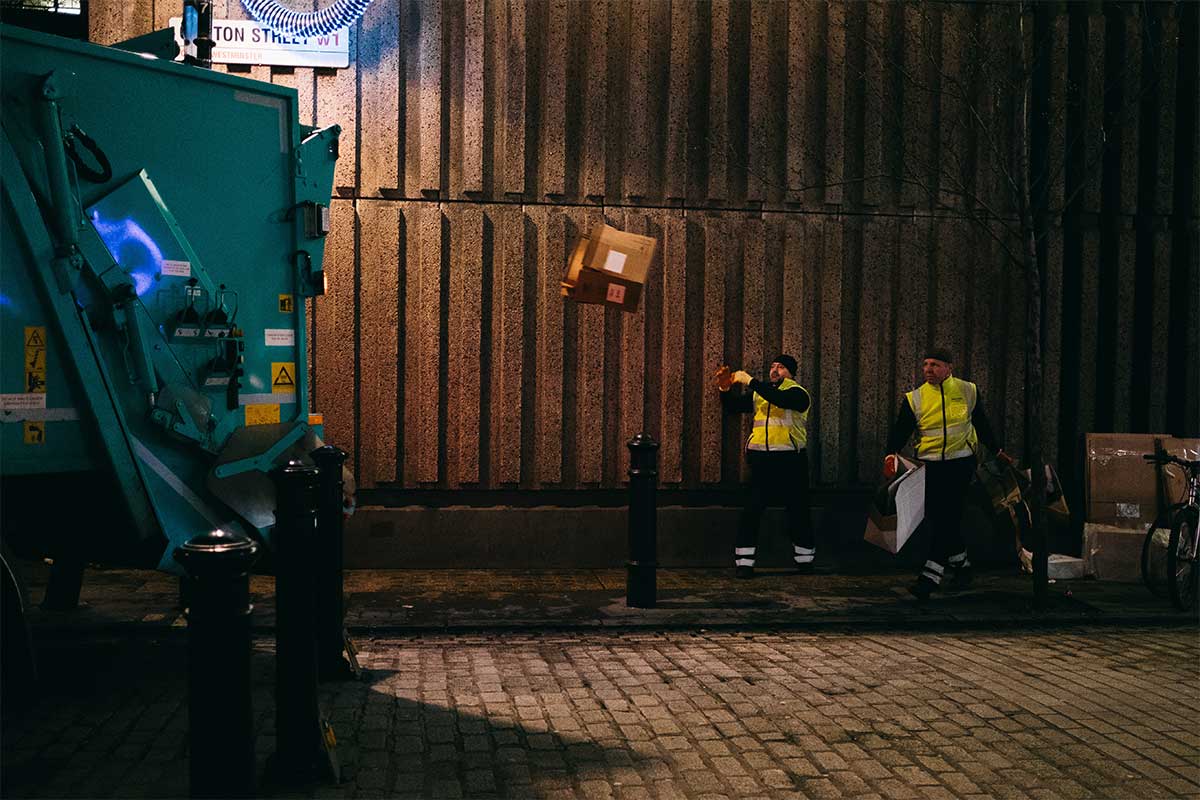
While many consumers are more environmentally conscious, there is still a lack of recycling.
In the UK in just one year, only 17% of the total waste was recycled. Recycling is essential; it can help to reduce the amount of waste that ends up in a landfill.
Many people want to contribute to reducing waste, in fact, 90% of people say they would recycle more if it is easier. However, would it be easier to recover and reduce the amount of waste if there was less packaging in society?
Excessive packaging is seen daily across the world.
Food products considered gourmet might have three different types of packaging to add to its luxury feel. While seven million takeaway coffee cups are thrown away every day and 38.5 million bottles of water are consumed and thrown away without a thought. As a society, we become almost blind to the amount of wasteful packaging because it is so apparent in daily life. However, it is dramatically affecting our environment in many different ways.
Here are just seven of the ways that wasteful packaging is damaging our environment.
Seven ways wasteful packaging affects our environment
-
Litter
In terms of the total waste, litter is only on a small scale, with a small percentage of packaging waste accumulating as litter. However, litter is a major concern for many people. Wasteful packaging such as food and beverage containers make up the third most abundant component of litter. Packaging sits behind cigarettes and food for the highest amount of litter.
While many people complain about the litter because it is unsightly, it can actually be a health hazard to humans too. Broken glass, for example, can cause injuries while excessive cardboard packaging can be a fire hazard (the risk is heightened when you consider the main proportion of litter are cigarette butts).
Litter can also attract vermin which then creates a breeding ground for bacteria which can threaten public health as well as risk the health of pets and wildlife too. Wasteful packaging as litter can also lead to clogged storm drains and can even increase algal blooms in water which can, therefore, affect the water quality impacting aquatic life and wildlife which use the water.
Not only is litter damaging the environment, but a great deal of money is spent combatting the litter problem. With less packaging, this money could be better spent developing recycling schemes which can reduce waste and lower the amount of litter too.
-
Air pollution
Air pollution can be caused by two major concerns dust and dry particles which hang in the air and fumes such as smoke, gases and vapours. Excess and wasteful packaging can contribute to air pollution in a variety of ways. For example, wasteful packaging leads to more waste incineration activities. This type of processing leads to the production of harmful gases which infiltrate the environment. These gases include vinyl chloride, CFCs and hexane.
The electricity use and transportation emission of excessive packaging also contribute to the increasing air pollution problem. Another aspect of air pollution from packaging is through landfill sites. As material decomposes in landfill sites, the decomposition process can release carbon dioxide and methane gas which can contribute to the global warming effect.
-
Birdlife
Worryingly, plastic kills over one million marine birds every single year. Birds ingest plastic packaging both directly and through the food chain. Birds can also be killed or injured by plastic packaging by getting caught up or tangled up in plastic. This is prominent with plastic can holders and six-pack rings.
Unfortunately, the excessive amount of plastic in the environment is having a severe and detrimental impact on bird life. In fact, plastic wastage is now found in over 90% of seabirds due to the amount of plastic waste in the oceans. Furthermore, plastic is a contributing factor to the fact there has been a 67% decline in seabird populations in the last sixty years.
Another frightening statistic of how much damage plastic is causing to the birdlife is that 40% of Laysan Albatross chicks die before flying the nest. The reasons for the 40% mortality rating is the fact that their stomachs are filled with harmful plastic waste. Albatrosses are more likely to be affected by plastic packaging due to the way they hunt. An albatross will skim their beak across the surface of the water to catch fish and will often ingest plastic that is floating in the process.
-
Landfill space
In 2017, the UK generated 9.3 million tonnes of packaging waste. Unfortunately, many types of packaging take a long time to degrade. For example, plastic bags and Styrofoam cups will take from 500 years to forever to degrade. Glass bottles take up to 1 million years to degrade, and aluminium and tin cans can take up to 100 years to degrade.
With this in mind, the UK is rapidly running out of landfill space. Creating landfill areas has not been a priority for the UK as they have been making the most of the European energy-from-waste initiatives. However, as Britain leaves the EU, it remains doubtful whether the UK can still utilise these schemes. In fact, it is believed that by 2020 there will only be 50 landfill sites left in the whole country.

-
Sealife
The ingestion of plastic can be fatal for sea life. In fact, 100,000 marine animals die as a result of waste pollution every single year. A Sei whale was killed because of a laceration in the stomach caused by a plastic DVD case. A sperm whale died in Spain because of an intestinal blockage caused by 37 pounds of plastic from 59 pieces of wasteful packaging.
Plastic bags can also be incredibly harmful as they can look like jellyfish to the unsuspecting turtle. Sadly, there have been 693 different marine species that have been found to have ingested or become entangled with plastic waste in the ocean.
-
Water pollution
The production of packaging can have a high water use as well as causing water pollution. To create just one plastic water bottle takes three bottles of water as well as a quarter of a bottle of oil. It is not just water bottles that use a high amount of water, many packaging production methods use a high volume of water, wasting precious water resources.
Plastic pellets used in packaging can also affect the water. The pellets release toxic chemicals which can leach into the water. Research has found that the concentration of toxic chemicals in the pellets becomes a million times higher when in water.
-
Loss of species
Landfills are a result of a high amount of wasteful packaging and can be incredibly dangerous to the environment. Landfills not only release large amounts of methane and other toxic chemicals which can contribute to global warming, but they can also result in a loss of species.
Research has shown that between 30 and 300 species are lost per hectare of landfill site which can significantly impact the biodiversity of our planet.
Landfills also have a damaging effect with waste materials leaching toxic chemicals which leads to groundwater pollution. Furthermore, it can reduce the soil quality and fertility which can mean that plants cannot grow or thrive in the area, effectively wasting the environment and playing a key role in the food chain.